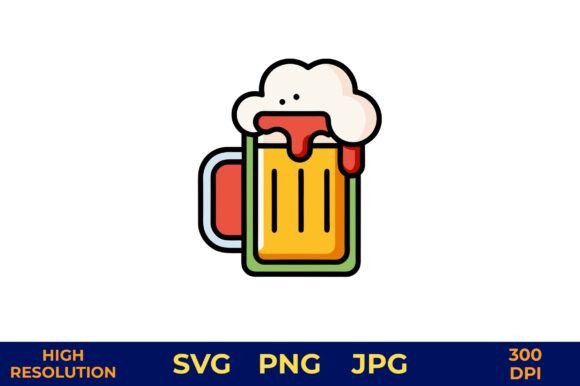
A Beer Mug Vector for Cheerful Embroidery Projects
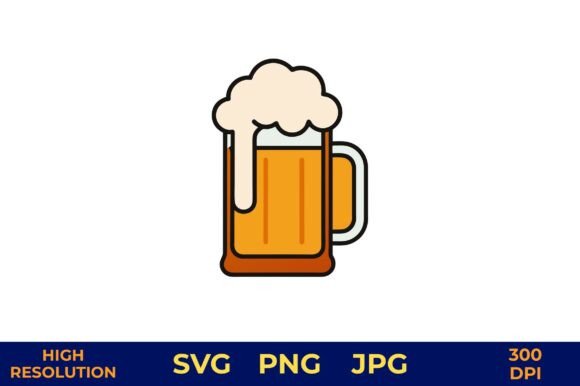
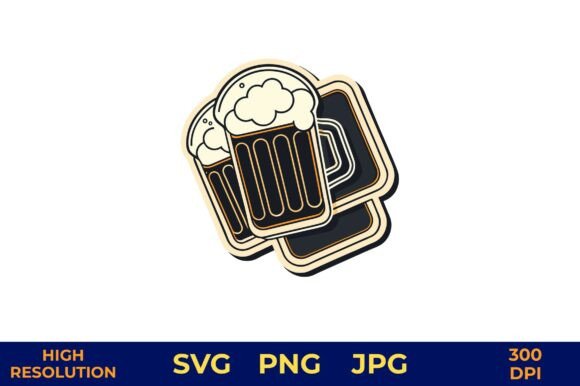
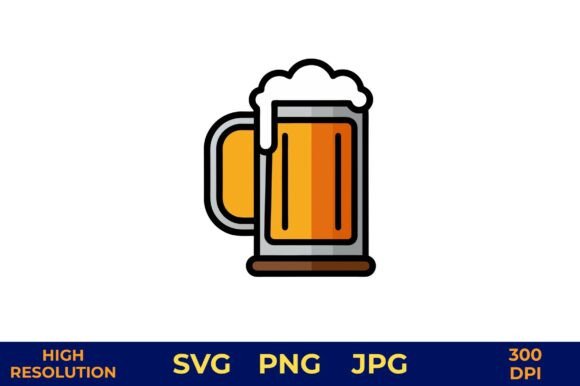
When I first downloaded the Beer Mug Vector with Frothy Foam Top, my immediate impression was one of bright, straightforward fun. This isn’t a fussy, overly detailed illustration; it’s a bold graphic with a clear, happy personality. The solid outline and vibrant colors make it feel ready for action, and that frothy foam top is a charming detail that instantly communicates the theme. For embroidery designers, that’s a promising starting point. It suggests a design that will translate cleanly into stitches without losing its cheerful mood.
The Natural Fit for Real-World Embroidery Projects
In my work, I constantly think about where a design will live after it’s stitched. This beer mug vector naturally calls out for relaxed, celebratory, or personalized items. I pictured it on a custom tote bag for a brewery enthusiast, embroidered on the corner of a kitchen towel for a gift, or as a central motif on a casual sweatshirt. For small business owners and Etsy sellers, it’s a strong candidate for holiday gifts, Father’s Day merchandise, or boutique products for a pub or home bar. The graphic’s clear shapes mean it would also work beautifully as an applique design, perhaps on a baby’s bib for a fun-loving family (though I’d simplify the foam detail for very small sizes). Its personality is universal enough for a wide audience but specific enough to feel like a thoughtful, personalized product.
Considering the Stitching Reality
Moving from a digital file to a physical stitch is the critical test. The “vibrant solid outline” mentioned in the description is key. In embroidery, a clean outline helps define the shape and can be executed with a confident satin stitch or a running stitch, depending on the scale. The foam top, while delightful, requires attention. Its layered, bubbly look will need careful stitch density planning to avoid looking too dense or too sparse. On a textured fabric like a towel or a stretchy fabric like a sweatshirt, using the proper stabilizer is non-negotiable to keep those outlines sharp. For a curved surface like a cap, the design’s relatively compact, central mass is a good sign, but I’d always test it on scrap fabric first to see how the curves behave under the hoop.
One of my standard practices is to check a design in both black and white mockups. This beer mug, with its solid forms, holds up well in silhouette, which is excellent news for stitching it on dark fabric backgrounds. You’ll need to plan your thread color contrast carefully—perhaps using a bright foam color against a dark mug body—but the design’s integrity won’t vanish.
Where This Design Demands a Designer’s Care
Every design has its sweet spot and its challenges. For the Beer Mug Vector, the areas requiring extra care are primarily scale and fabric choice. In very small hoop sizes, the foam detail and the mug’s interior lines could become muddled. I wouldn’t recommend trying to miniaturize it for a tiny baby item patch without simplifying some elements. On thin or loosely woven fabrics, the fill stitches for the mug’s body might need a lighter density to prevent puckering. And for products destined for frequent washing, like aprons or tea towels, ensuring the stitches are secure and the design isn’t so dense that it stiffens the fabric is important for longevity and customer satisfaction.
For commercial embroidery projects or for craft businesses selling finished products, the visual appeal here is about clean execution. A neatly stitched version of this graphic on a tote bag or pillow cover looks professional, approachable, and gift-ready. It builds customer trust because it looks intentional and well-made, not haphazard. It can fit into brand consistency for a shop specializing in casual, festive, or food-and-drink themed handmade products.
Practical Notes for the Embroidery Designer
Before committing this to a client project or your small shop merchandise, here is my typical checklist. First, test stitch it on a scrap of the actual fabric you intend to use. This reveals everything about stitch density, thread color interaction, and hoop stability. Second, review the file formats provided—SVG, PNG, JPG—and ensure your embroidery software can cleanly import the vector for scaling. Since the description notes it’s a transparent background graphic, creating printable mockups for your Etsy listings or digital product previews becomes straightforward.
Always confirm the licensing terms before selling finished items. The description doesn’t specify license details, so it’s a necessary step to ensure your use for commercial embroidery projects or as part of your craft business is permitted. Finally, think about the final product’s context. A beer mug embroidered on a holiday gift might pair well with other festive elements; on a standalone patch, it should be crisp and bold. Its recognition factor is high, so its execution needs to match.
The Beer Mug Vector with Frothy Foam Top is a graphic that brings a smile. From a designer’s point of view, its value lies in its translatable style and its clear thematic appeal. For embroidery enthusiasts, small business owners, and makers looking for a design that feels cheerful and stitches with purpose, this vector offers a solid foundation. Your skill in translating it into stitches—with the right stabilizer, thoughtful thread choices, and appropriate scale—will determine how successfully that frothy foam top sparkles in real life.