A Designer’s Real-World Review of the Family Tree SVG Bundle
When a new design lands in my library, I don’t just look at it on screen. I imagine it stitched out, on a real product, in a client’s hands. That’s the lens I’m using today for the Family Tree SVG Bundle. As someone who turns graphics into tangible, embroidered goods daily, my first question is always: how will this translate from digital file to threaded reality?
The Immediate Mood and Where It Belongs
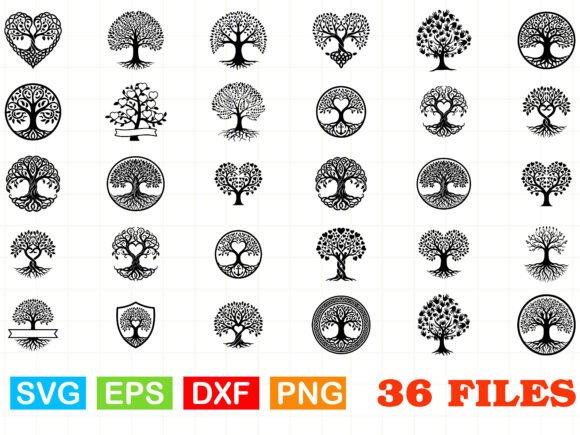
The family tree theme, as an illustration, carries an inherent warmth. It’s nostalgic, personal, and quietly celebratory. This isn’t a loud, graphic statement; it’s a meaningful detail. The visual personality feels traditional yet clean, which tells me it’s suited for projects where sentiment outweighs spectacle. I immediately pictured it on a heirloom-style item—a pillow cover for a grandparents’ home, a personalized tea towel for a family kitchen, or the centerpiece on a baby blanket announcing a new branch. It belongs on products meant to be kept, not just worn.
Putting It Into Stitch: Practical Project Scenarios
Let’s walk through a real case. I’m preparing a custom embroidered tote bag as a wedding gift for a couple who values family history. I load the Family Tree SVG Bundle design. My concern isn’t if it’s “versatile” in theory; it’s how the layout and detail level will handle the canvas-like texture of a tote. Will the smaller elements, like delicate branches or potential lettering, stitch clearly without becoming a dense, stiff patch? A design like this thrives on clarity, not bulk.
For custom apparel like sweatshirts or t-shirts, the design’s scale is key. On a dark fabric, contrast is crucial; I’d need to test thread colors to ensure the tree’s form remains distinct. On a baby’s garment, I’d likely simplify or use it as an applique design to reduce stitch time and increase softness. As a potential embroidered patch, it could be beautiful, but I’d meticulously check the stitch density in any fill areas to avoid a rigid feel.
Where This Design Could Sing
This bundle shines for personalized gifts and small shop product lines with a heartfelt niche. Think holiday gifts for families, anniversary keepsakes, or boutique nursery decor. For Etsy sellers and creative entrepreneurs, it offers a strong, recognizable theme for printable mockups and digital product previews. It could anchor a whole collection of family-themed craft business items.
Careful Considerations for Embroidery Execution
This is where practical judgment matters. As an embroidery file, I’d approach it with caution on certain applications.
Small hoop sizes might compress the details, losing the elegance. On textured fabrics like sweaters or blankets, fine lines (like a running stitch outlining branches) could get lost. On thin or stretchy fabric, stabilizer choice becomes paramount to prevent distortion. Embroidering on curved surfaces like caps would require serious testing—the circular layout of a family tree might not adapt cleanly to a curved crown.
My biggest note would be to inspect any tiny lettering or intricate corners. In machine embroidery design, small, dense text can become a messy, puckered area. I’d always advise testing on scrap fabric first, comparing light and dark background results, and reviewing the stitch density in any satin stitch or fill stitch elements. A design with this much potential emotional weight needs a flawless technical execution to maintain customer trust and a professional handmade presentation.
The Impact on Your Product and Your Customer
When stitched well, a design like this elevates a product. It adds perceived value through its personal connection. It boosts giftability and recognition. For a small business owner, using it consistently across a line—say, on apron, pillow cover, and kitchen towel—builds lovely brand consistency. It engages buyers looking for something beyond generic decor. However, that appeal hinges entirely on stitching clarity. A blurred, puckered tree undermines the entire sentiment and can damage buyer engagement.
Embroidery Designer Notes for Real Use
Before you run this for a client project or list it in your shop, here’s my friendly, realistic checklist.
- Test the Family Tree SVG Bundle on your typical scrap fabric. Don’t skip this.
- Check thread color contrast against both white and black backgrounds. This design likely needs a strong palette.
- Review the actual stitch count and density if the file provides it. If not, stitch a small section to assess.
- Confirm your minimum comfortable hoop size. This isn’t a micro-design.
- Inspect small details by stitching them. Are they clear or do they blur into a solid block?
- Use proper stabilizer for your target fabric. This is non-optional.
- Test it in simple black and white mockups to see its graphic strength stripped of color.
- Critically, check the licensing provided with this Graphics product. Confirm it explicitly covers both personal and commercial projects before selling any finished items or using it in commercial embroidery. The product description mentions versatility, but the license terms are what truly matter.
Remember, a beautiful SVG on screen is just the start. Its real value is in how it becomes part of a physical, stitched product. The Family Tree SVG Bundle has the thematic weight to make that product meaningful. Your job as the maker is to ensure the embroidery honors that weight with clean, thoughtful execution. When you do, it becomes more than a design; it becomes a keepsake.