Evaluating the Volleyball Player Silhouette for Embroidery
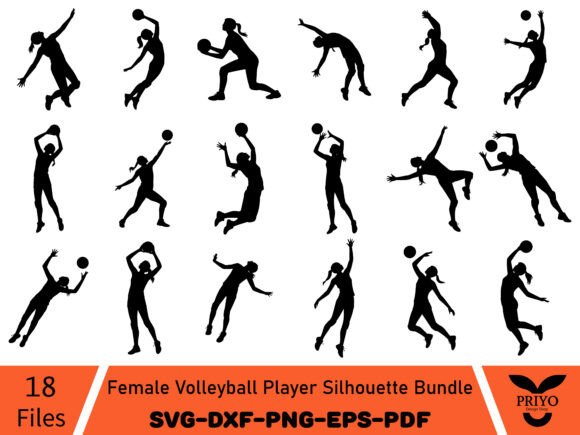
Let’s talk about this Female Volleyball Player Silhouette design from a maker’s perspective. I’m looking at it not just as a graphic, but as an embroidery file I’ll actually have to stitch out, likely for a client project or a product for my small shop. The first impression is strong: it’s a dynamic, action-focused silhouette. The mood is energetic, celebratory, and athletic. This isn’t a passive pose; it feels like a moment captured mid-play. The shape is clean, with a layout that suggests motion, and the detail level is wisely minimal—it’s a silhouette, after all. This gives it a visual personality that’s bold and easily recognizable, which is exactly what you want for an embroidered design.
Where This Design Naturally Belongs
Immediately, I’m thinking this belongs on items meant for active, spirited people or as gifts for fans and players. Picture a custom embroidered sweatshirt for a team mom, a tote bag for a coach, or a patch for a player’s backpack. It would shine on a baby onesie for a little future athlete, or as a crisp, simple motif on the corner of a pillow cover in a sports-themed room. For holiday gifts—think a Christmas apron for a volleyball-loving aunt or a kitchen towel as a tournament hostess present—this design speaks directly to a passion. For small business merchandise, it’s perfect for a boutique that caters to sports communities or an Etsy seller specializing in personalized team gifts.
The Practical Stitching Scenario
I’m envisioning a real project: a custom embroidered tote bag for a local volleyball league. My client wants something clean, professional, and gender-neutral that represents the spirit of the game. This silhouette fits perfectly. On a sturdy canvas tote, the design would stitch out with great clarity. Because it’s a silhouette, stitch density is manageable—likely a solid fill stitch for the body and perhaps a satin stitch outline for definition. The lack of intricate internal details means fewer potential issues with thread breaks or puckering on the bag’s textured fabric.
For apparel decoration, on a sweatshirt or t-shirt, the open, dynamic shape would sit well without feeling too dense or heavy on the fabric. On a cap, the curved surface might require careful stabilization, but the design’s relatively balanced shape should adapt without major distortion. As an embroidered patch, it would be straightforward to produce and attach, making it a versatile asset for a craft business.
Points of Careful Consideration
This isn’t a design you can just slap onto any project without thought. On very small hoop sizes, the finer details of the arm and leg positions could become muddled if the stitch density is too high. On dark fabrics, you’d need to plan thread color contrast carefully; a white or bright fill stitch would pop, but a darker thread might lose the silhouette’s impact. On thin or stretchy fabrics like some t-shirts, a sturdy stabilizer is absolutely non-optional to prevent pull and distortion of that clean shape.
The design’s success also hinges on background. It will look fantastic on a solid, contrasting fabric. On a busy or patterned background, it might lose its bold presence. For products that need frequent washing, like baby clothes or kitchen towels, ensuring the stitch coverage is secure and the edges are well-anchored (consider an applique approach if the file supports it) will maintain its handmade product quality over time.
How It Lifts Your Finished Product
Using a design like this affects everything from visual appeal to customer trust. Its professional, clean look elevates a simple item. On a personalized gift, it feels thoughtful and specific. For an Etsy listing or a craft fair product, it creates immediate recognition and engagement—buyers know exactly what it represents. It adds value through its thematic clarity. For commercial embroidery projects, it delivers a result that looks intentional and polished, boosting brand consistency for a sports-related business.
Embroidery Designer Notes: Before You Hoop It
Here’s my practical checklist before I’d run this Female Volleyball Player Silhouette in a real project.
- Always test on scrap fabric first. Use the same material and stabilizer you plan for the final product. This tells you everything about stitch density, potential puckering, and thread coverage.
- Check thread color contrast. Do a mental mockup in both light and dark fabric scenarios. Sometimes a mid-tone thread on a dark background can work if you want a softer look.
- Review the design in your software. Inspect the small details—the fingers, the foot position. Are they defined clearly enough to stitch well at your intended size?
- Confirm your hoop size. Make sure the design dimensions fit comfortably within your hoop for the item you’re decorating.
- Consider stabilizer choice. For stretchy fabrics (sweatshirts) or textured surfaces (tote bags), your stabilizer needs to match.
- Critical: Check the licensing. The product is listed under Illustrations and Graphics. Before selling any finished items or using it in commercial embroidery for clients, you must confirm the license terms provided by the seller. Does it allow for commercial use of the finished products? Don’t assume.
This embroidery design has clear potential. It’s a graphic that translates well into stitches because its core idea is strong and simple. It won’t overwhelm a garment but will confidently claim its space on a bag, apparel, or home decor item. For makers, crafters, and small business owners, it’s a versatile asset—provided you do your due diligence on the technical setup and licensing. It’s the kind of file that, when stitched out thoughtfully on the right product, genuinely sparks that big joy the description mentions—both for you as the maker and for the person who ends up owning the finished piece.